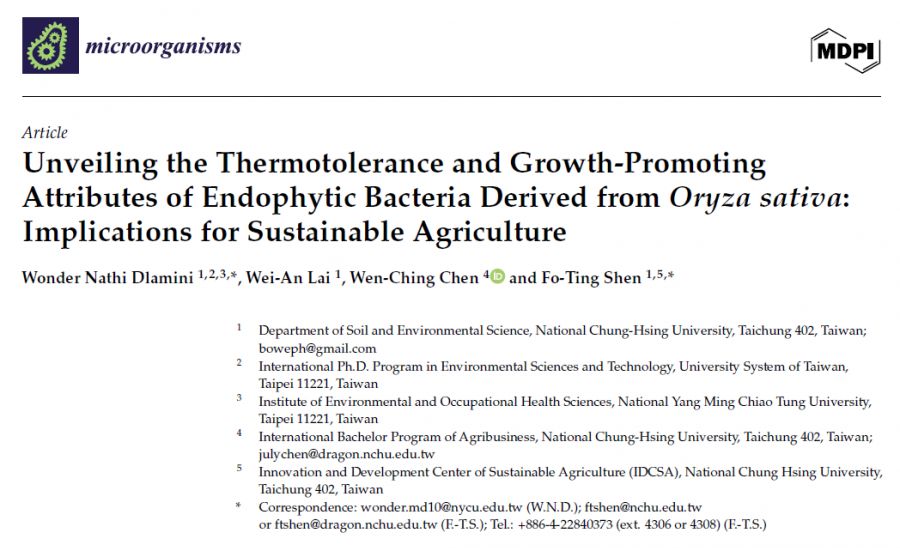
【學術亮點】Unveiling the thermotolerance and growth-promoting attributes of endophytic bacteria derived from Oryza sativa: implications for sustainable agriculture
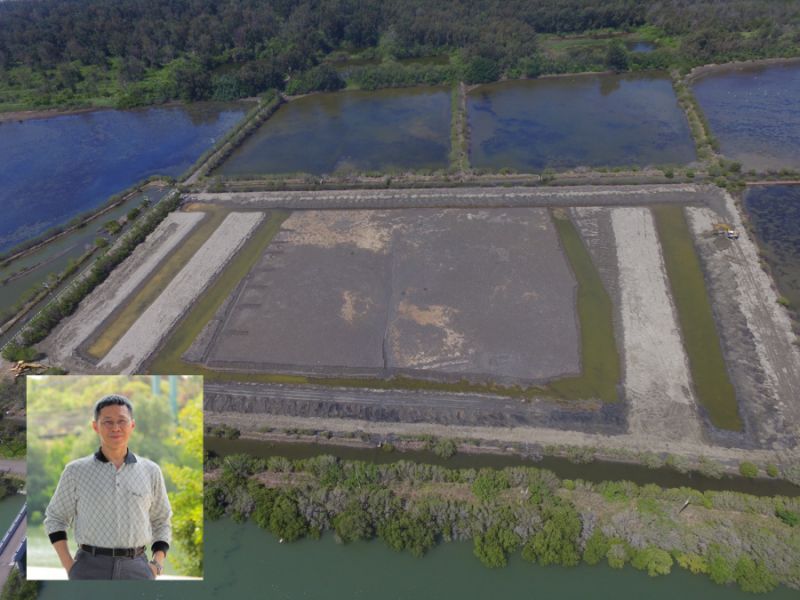
Recycling Agriculture: Development of Integrated All-in-One Technology for the Innovative carbon sequestration of Organic Circular Agriculture【Department of Soil Environmental Sciences / Shen, Fo-Ting / Professor】
循環農業:農業有機循環再利用的多合一創新碳匯技術開發【土壤環境科學系/沈佛亭教授】
| 論文篇名 | 英文:Unveiling the thermotolerance and growth-promoting attributes of endophytic bacteria derived from Oryza sativa: implications for sustainable agriculture 中文:水稻內生細菌之耐熱性與促進植物生長特性研究 |
| 期刊名稱 | Microorganisms |
| 發表年份,卷數,起迄頁數 | 2025, 13,no. 766 |
| 作者 | Dlamini, Wonder Nathi; Lai, Wei-An; Chen, Wen-Ching; Shen, Fo-Ting(沈佛亭)* |
| DOI | 10.3390/microorganisms13040766 |
| 中文摘要 | 高溫對水稻的生長及其相關內生菌構成重大挑戰。了解這些內生菌如何應對熱逆境至關重要。本研究評估了五株源自水稻的內生細菌Bacillus tequilensis LB3、B. coagulans LB6、B. paralicheniformis AS9、B. pumilus LB16,以及 B. paranthracis i40C在緩解熱逆境對水稻影響之潛力。這些菌株具有生理功能如吲哚-3-乙酸與載鐵物質的生成、固氮作用,以及磷與鉀的溶解能力。在高溫條件下菌株顯著促進水稻生長,在 40 °C 時植株長度最高增加達 78%。值得注意的是LB6 的生物量提升最為顯著,達 195%。此外接種的水稻葉綠素 SPAD 值亦明顯提高,顯示熱逆境效應減輕且植物健康狀況改善。植物激素分析與生化測定顯示,在熱逆境下接種處理使脫落酸含量顯著上升,脂質過氧化物含量下降,且促滲保護物質脯氨酸累積增加。接種植株的脫落酸含量達 539 ng g⁻¹(對照組僅 62 ng g⁻¹),脂質過氧化物含量降低 68%,顯示氧化損傷減少,並伴隨脯氨酸合成的提升,整體顯示植物的抗逆性增強。這些變化與細菌產生的 IAA 及營養調節有關,能有效緩解高溫造成的生理衰退。研究結果強調了這些內生菌作為生物肥料的潛力,可提升水稻對高溫逆境的抗性。其中LB6 表現最為優異,顯示出在水稻熱逆境緩解上的應用潛力。本研究強化了對植物激素、熱逆境訊號及細菌耐熱機制之化學過程的了解,為永續農業策略奠定基礎。未來研究可進一步探討形態學與生化分析、與熱耐受相關的基因表現(如 HSPs、DREBs、APX),以及菌株與肥料對高溫逆境水稻生長之效應。 |
| 英文摘要 | High temperatures pose significant challenges to rice plants’ growth and their associated endophytic bacteria. Understanding how these bacteria respond to heat stress is vital. We assessed the potential of five endophytic bacterial strains derived from Oryza sativa—Bacillus tequilensis LB3, B. coagulans LB6, B. paralicheniformis AS9, B. pumilus LB16, and B. paranthracis i40C—to mitigate heat stress effects on rice plants. These strains demonstrated robust abilities in producing indole-3-acetic acid (IAA) and siderophores, nitrogen fixation, and solubilization of phosphate and potassium. Under high-temperature conditions, they significantly enhanced rice plant growth, with increases in plant length of up to 78% at 40 ◦C. Notably, LB6 showed the highest biomass increase (195%). The strains also improved chlorophyll SPAD values, an indicator of reduced heat stress effects and improved plant health. Phytohormone profiling and biochemical analyses revealed significant increases in abscisic acid (ABA) levels, reduced lipid peroxidation (MDA), and elevated osmoprotectant proline accumulation under heat stress. Inoculated plants exhibited up to 539 ng g−1 of ABA (vs. 62 ng g−1 in uninoculated controls), a 68% reduction in MDA (indicating less oxidative damage), and enhanced proline synthesis, collectively suggesting improved stress adaptation. These changes were linked to bacterial IAA production and nutrient modulation, which alleviated heat-induced physiological decline. These findings underscore the potential of these endophytes as biofertilizers to improve rice resilience under heat stress. Among the strains, LB6 exhibited superior performance, offering the greatest promise for heat-stress mitigation in rice production. This study advances our understanding of phytohormonal, heat stress signaling, and chemical processes underlying bacterial-mediated thermotolerance, providing a foundation for sustainable agricultural strategies. Future research can explore morphological and biochemical analyses, stress responsive gene expression (e.g., HSPs, DREBs, and APX) linked to thermotolerance, and the combined effects of selected strains with fertilizers in high-temperature rice cultivation. |
| 發表成果與本中心研究主題相關性 | 本研究指出內生菌能提升水稻在高溫下的生長與抗逆性,減少化肥依賴並促進環境友善的作物生產。透過微生物調控植物激素與營養吸收,增強作物耐熱性與生產穩定性,顯示以生物肥料取代化學投入、實現氣候韌性農業的創新潛力,符合永續農業發展目標。 |